Educational farm with animals in Abruzzo. Farmhouse "Il Timo"
"Il Timo"
Our VISITORS

Educational workshops
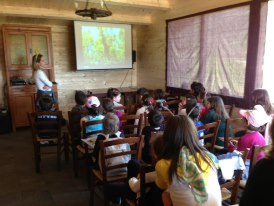
On the farm there are educational and training workshops designed for children. They allow them to learn by doing. They will be organized and supervised by trained staff.

Our educational farm

What is an educational farm?
Agritourism and Educational Farm, have changed the world of tourism. But also that of school learning. Both connect people with nature.
Educational farms are first and foremost farms.
Educational activities are carried out in an active way, dedicated to children and young people. There are animals, involvement in prudutive activities or processing of products.
However, educational activity on the farm remains peripheral to productive activity. Just as is the case with agritourism. Services are taken care of by specialized personnel. The topics covered are aimed at spreading knowledge about the activities carried out on the farm.
These activities are organized into workshops where learning takes place:
- picking berries, honey, caring for animals, fruits and vegetables.
- You also learn how to reproduce plants in the nursery.
On the farm, the emotional involvement of participating visitors is very strong.
For this reason, educational farms are increasingly chosen by schools of all grades.
To teach children and young people, in an alternative way, about agricultural and folk heritage protection. But also to learn how to safeguard the landscape.
Our farm opens up to visitors, actively involving them. The purpose is to foster the connection between town and country. To raise awareness of the rural environment, the origin of food products and the lives of animals.
The educational farm thus becomes a place of active pedagogy in the service of education but from the agricultural world.
Our facility offers educational activities dedicated to schools and private groups.
We usually design the meetings based on the educational needs of the school or classes. We pay special attention to the age of the participants. Therefore, we have designed some paths in relation to the age of the participants.

THE PROPOSED EDUCATIONAL PATHS
THE WORLD OF BEES
A fun journey of discovery of the wonderful world of bees, developing the educational experience in different stages where the child is always made to participate, experiencing new sensations and emotions that continually stimulate his or her interest.
During the visit to our farm, children observe the work of bees and the production and packaging stage in the laboratory up close, recognizing the tools and materials already studied in class.
FARM ANIMALS
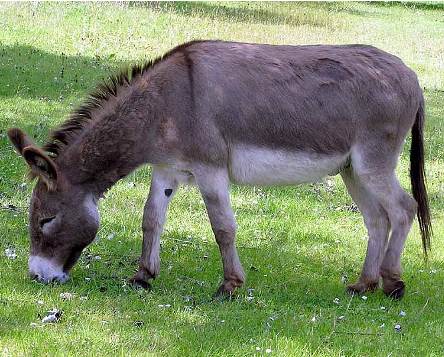
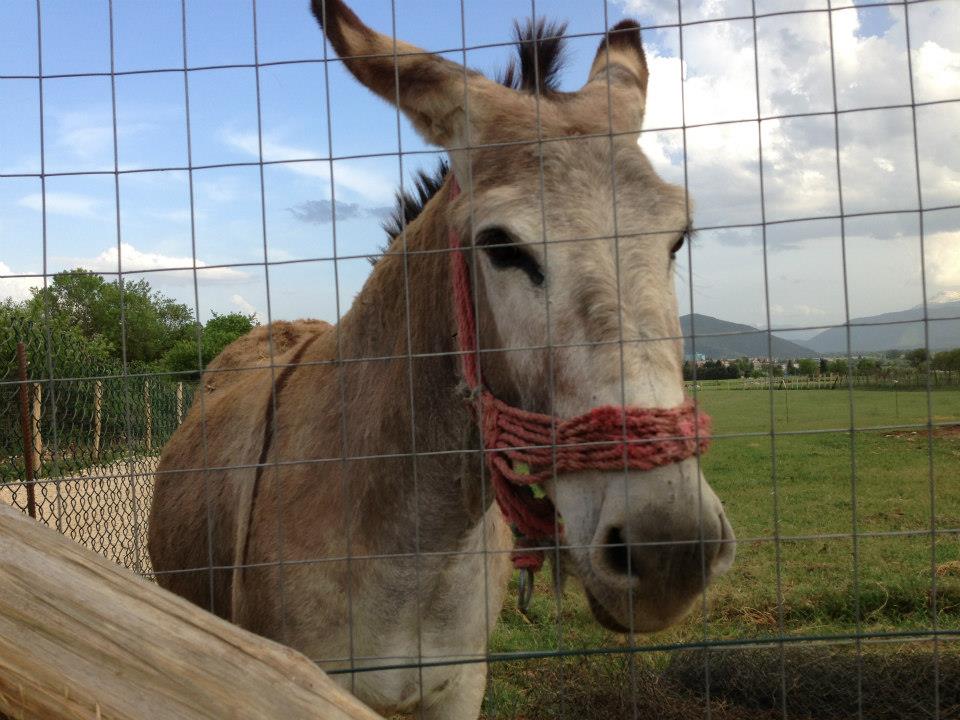
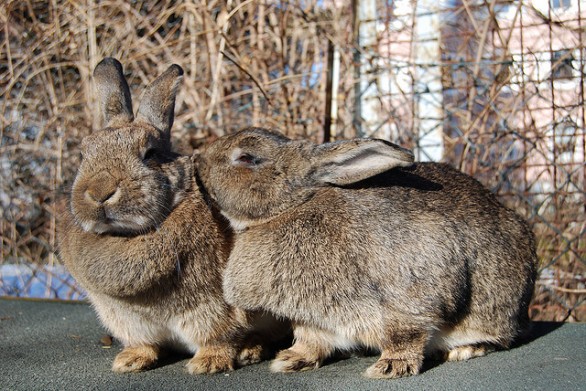
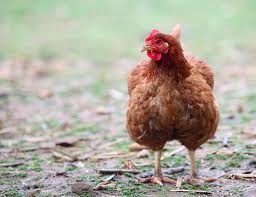
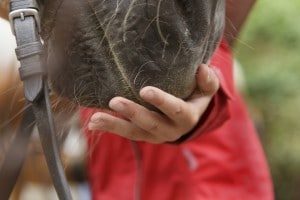
Experience the farm as it used to be between discovery, play and creativity in nature. Spending a day in the countryside, lying on the grass, feeding the animals, stroking a donkey, smelling the hay. These are experiences unknown to most of today's children, capable of arousing strong emotions and, at the same time, developing the ecological knowledge necessary for greater respect for the surrounding environment. The child exploring, observing and rediscovering, becomes in this experience, an active protagonist, able to express his perceptions and emotions.
HE WHO SOWS, REAPS
The project is intended to arouse children's interest. Precisely because the sensitivity they form at a young age will make them more responsible citizens with respect to the life of the planet and other living things.
A good idea might be to sow seeds and then grow with them.
And what could be more exciting than watching what you have grown with your own little hands grow? The 'He Who Sows Reaps' project is aimed primarily at preschool and primary and secondary schools. It will diversify the content and methodology according to the age of the children. Activities will be coordinated and agreed with teachers.
THE WORLD OF HERBS
Herbs and plants have always played a key role. Not only in human nutrition but also in hygiene and personal care and in the composition of many medicines.
Humans have learned to recognize and use herbs and plants to their advantage, studying their characteristics, qualities and properties over time. With this module you want to engage children. To make them understand the role that herbs have always played in human life from a food and medicinal point of view. It also wants to acquaint children with the customs related to the use of herbs in folk tradition and beyond.